Identifying Trees That Require Structural Correction
Walking your property with a critical eye reveals warning signs that trees need attention before problems escalate. Look for branches crossing and rubbing against each other, creating wounds that invite decay organisms. Co-dominant stems splitting from a narrow V-shaped union indicate weak attachments that fail under stress. Dead branches scattered throughout the canopy signal decline, while clusters of sprouting growth along the trunk or major limbs point to stress responses from previous damage or poor pruning. In Rapidan’s clay soils, trees planted too deeply develop girdling roots that circle the trunk base, eventually strangling the tree’s vascular system. Lean exceeding 10 degrees from vertical, especially with soil heaving on one side, suggests root failure in progress. Trees overhanging structures, driveways, or play areas demand evaluation regardless of visible symptoms. Virginia’s ice storms load branches with weight they cannot support, turning minor structural flaws into property damage. Annual inspections during leaf-off periods expose framework issues hidden by summer foliage. Document changes with dated photographs to track decline patterns over seasons. When multiple warning signs appear together, professional assessment determines whether corrective work can salvage the tree or removal protects your investment. Understanding what to look for transforms property walks into preventive maintenance opportunities.
Selecting the Right Branches for Removal
Strategic branch selection separates beneficial work from harmful over-cutting that weakens trees permanently. Start by removing the three D’s: dead, diseased, and damaged wood that serves no structural or photosynthetic function. These branches drain resources without contributing to tree health. Next, address branches growing inward toward the trunk center, creating dense interior growth that traps moisture and restricts airflow. Remove competing leaders before trees develop included bark between stems. Water sprouts shooting vertically from horizontal branches and suckers emerging from the root zone redirect energy from productive growth, making them removal priorities. Branches smaller than one-third the diameter of their attachment point integrate well into tree structure, while larger limbs create wounds that struggle to compartmentalize. When two branches grow too closely together, remove the weaker or more poorly positioned limb rather than waiting for natural abrasion to damage both. In Rapidan’s variable weather, prioritize removing branches overhanging targets like roofs, vehicles, and utility lines. The 25 percent rule protects tree vitality by limiting foliage removal to no more than one-quarter of the canopy in a single season. Removing more triggers stress responses including excessive sprouting, reduced resistance to pests, and structural instability. Space remaining branches for balanced weight distribution and even light penetration. Professional arborists visualize mature form when making cuts on young trees, establishing framework that requires minimal intervention as trees age. Each cut influences decades of subsequent growth patterns.
Making Cuts That Promote Rapid Healing
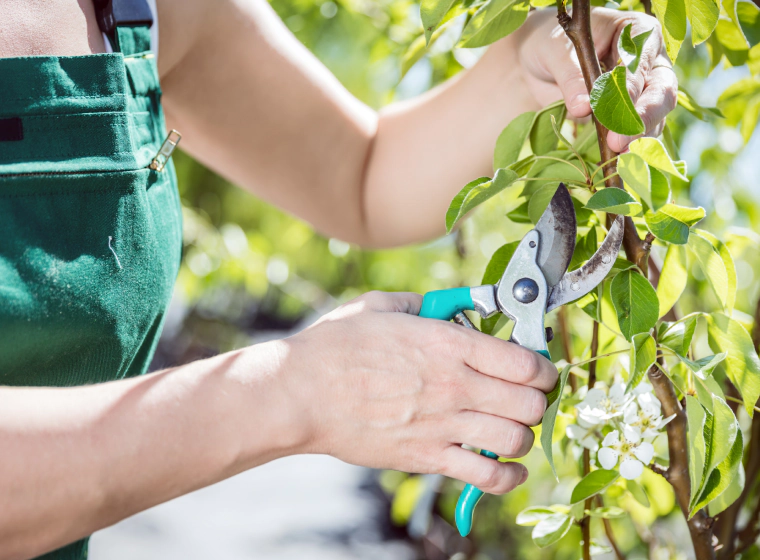
Cut placement determines whether trees seal wounds efficiently or struggle against decay for years. The branch collar, visible as a slight swelling where branches meet larger limbs or trunks, contains specialized cells that compartmentalize damage. Cuts made just outside this collar preserve these defensive tissues while removing the branch cleanly. Cutting too close shaves away protective cells, leaving wounds that never seal properly. Leaving stubs beyond the collar creates dead wood that rots back into healthy tissue. For branches larger than two inches in diameter, the three-cut method prevents bark tearing during removal. Make the first cut on the branch underside, 12 to 18 inches from the trunk, cutting upward about one-third through the branch diameter. The second cut starts two inches further out on the branch top, cutting downward until the branch weight breaks it free. This prevents bark stripping as the branch falls. The final cut removes the remaining stub just outside the branch collar. Sharp tools make clean cuts that heal faster than ragged wounds from dull blades. Sterilize cutting surfaces between trees using 70 percent isopropyl alcohol to prevent disease transmission. Avoid wound dressings and sealants that research shows interfere with natural compartmentalization while trapping moisture against fresh cuts. Trees evolved effective sealing mechanisms that work best without human intervention. In Virginia’s humid climate, cuts made during dormancy heal most successfully before spring pathogens become active. Natural callus tissue gradually grows over properly positioned cuts, often sealing completely within several growing seasons depending on wound size and tree vigor.
Timing Work Around Seasonal Growth Cycles
Scheduling work to match tree physiology produces better outcomes with less stress on plants. Late winter dormancy, from January through March in central Virginia, offers the ideal window for most species. Trees contain maximum energy reserves built during the previous growing season, wounds bleed minimally, and structural framework shows clearly without foliage interference. Spring growth surge helps seal cuts quickly as vascular cambium becomes active. Summer work during active growth leaves trees vulnerable to moisture stress, especially during Rapidan’s periodic drought conditions. Removing foliage during peak photosynthesis season reduces food production when trees need it most. Fall cuts struggle to compartmentalize before dormancy, leaving wounds exposed to winter decay organisms. Oak species require special timing considerations because oak wilt fungus spreads through fresh wounds when beetles are active from April through July. Prune oaks only during dormant months to minimize infection risk. Flowering trees benefit from pruning immediately after bloom, preserving next season’s flower buds while allowing full growing season for wound closure. Spring bloomers like dogwood and redbud tolerate post-flowering work, while summer bloomers like crape myrtle accept late winter cuts. Storm damage overrides seasonal timing rules because broken branches and split trunks demand immediate attention regardless of calendar. Emergency work limits removal to hazardous portions, with follow-up corrective work scheduled for optimal timing. Dead branches come off any time without affecting tree health since they no longer function in growth processes. Professional arborists balance ideal timing with practical scheduling, prioritizing safety while minimizing physiological impact.
Working Safely Around Power Lines and Structures
Trees growing near utility lines and buildings create hazards that require specialized expertise to manage safely. Electricity arcs from power lines to conductive objects including wet trees, metal tools, and human bodies before direct contact occurs. This arc distance increases with voltage, making visual clearance estimates dangerously unreliable. Never work within 10 feet of power lines yourself. Virginia law requires utility notification before work near overhead or underground lines. Professional tree care specialists maintain certifications for line clearance work, using insulated equipment and established safety protocols. Branches overhanging structures complicate removal because controlling their fall path prevents roof damage, broken gutters, and window breakage. Rigging systems using ropes, pulleys, and controlled lowering distribute weight gradually rather than letting gravity dictate where limbs land. Working above structures demands fall protection systems that prevent injuries from slips or equipment failures. Residential properties rarely have anchor points rated for fall arrest loads, requiring portable systems that professionals set up specifically for tree work. Tool drop zones protect people and property below work areas. Even small hand saws cause serious damage falling from height. Weather conditions affect safety margins significantly. Wind sways branches unpredictably, changing balance and increasing drop zone hazards. Recent rain makes bark slippery and reduces friction for climbing systems. Approaching storms bring lightning risk to workers positioned as the highest point in the landscape. When you need work performed around infrastructure, professional services that specialize in tree care carry liability insurance protecting your property from accidental contact damage while maintaining safety standards that keep workers and bystanders secure.